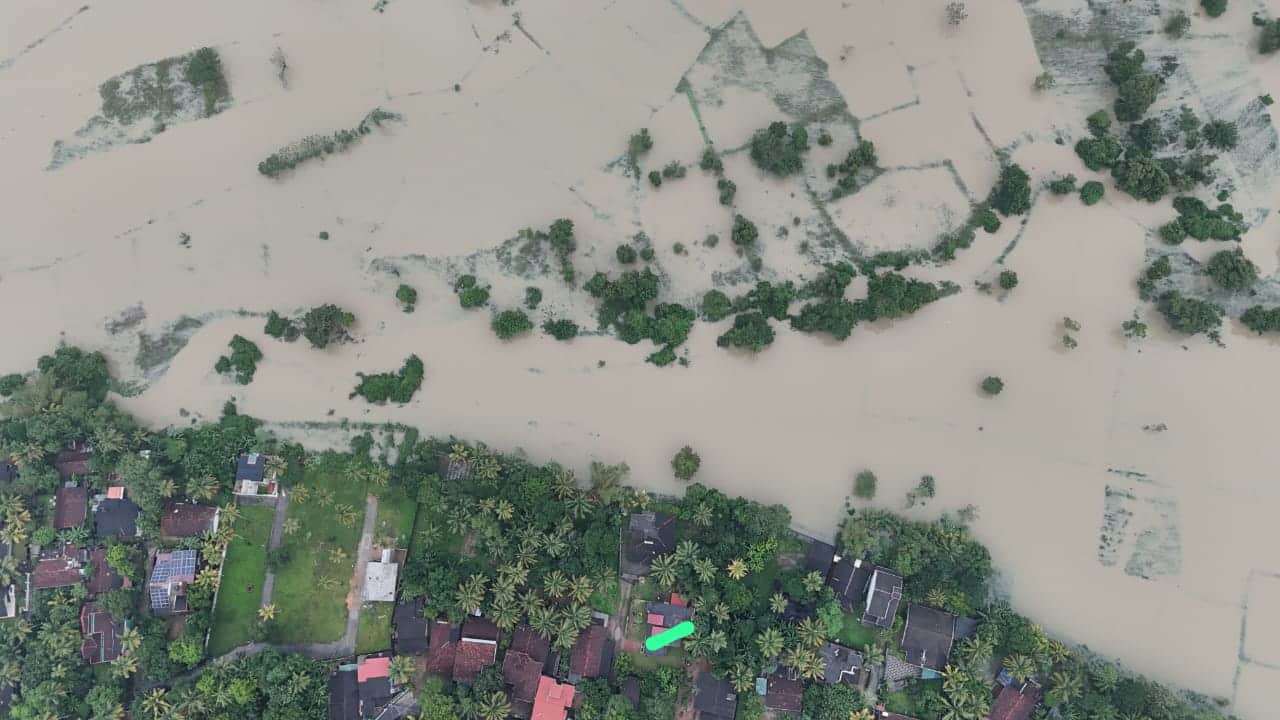
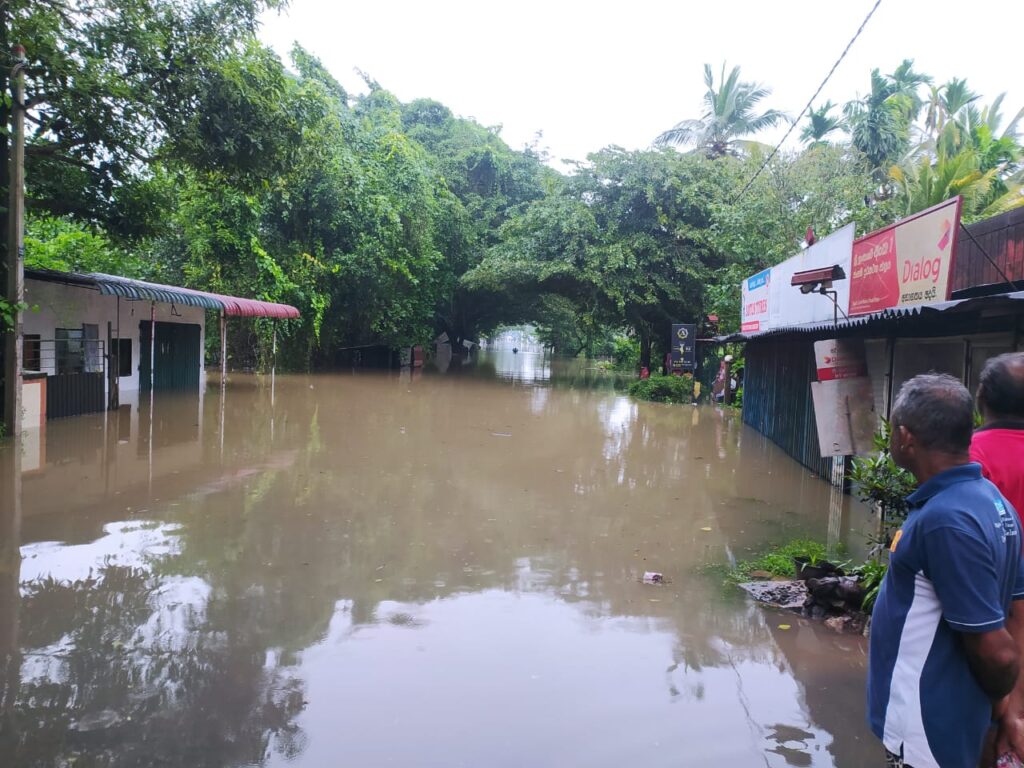
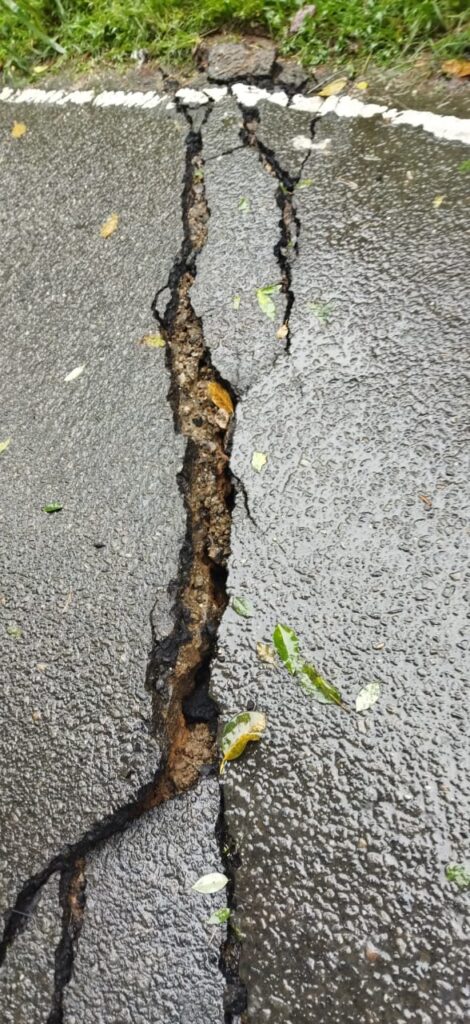
Sri Lanka is dealing with a fast-moving national emergency after Cyclonic Storm Ditwah brought torrential rain, widespread flooding, and landslides across the island. The disaster has hit communities in multiple districts at once, with rescue operations still ongoing in landslide-affected areas where access remains difficult.

According to the World Health Organization (WHO), Ditwah made landfall on Sri Lanka’s eastern coast early morning on 28 November 2025, worsening northeast monsoon conditions and triggering severe floods and landslides nationwide. World Health Organization
Below is the latest consolidated update based on Sri Lanka’s official disaster reporting, plus key context on what’s happening on the ground.
Latest situation (official DMC totals)
The Disaster Management Center (DMC) Situation Report (as of 03 December 2025, 1600 hrs) reports:
- People affected: 1,614,790 (from 455,405 families)
- Deaths: 479
- Missing: 350
- Fully damaged houses: 1,289
- Partially damaged houses: 44,556
- Safety centres (shelters): 1,347
- People in shelters: 188,974 dmc.gov.lk
These numbers can change as more isolated areas are reached and assessments are updated.
Worst-hit districts (by deaths & missing)
The DMC district breakdown shows the heaviest human impact concentrated in several central/hill-country districts (where landslides are a major risk), including:
- Kandy: 118 deaths, 171 missing
- Nuwara Eliya: 89 deaths, 73 missing
- Badulla: 83 deaths, 28 missing
- Kurunegala: 56 deaths, 23 missing
- Kegalle: 30 deaths, 41 missing dmc.gov.lk
WHO also highlighted that the highest fatalities were concentrated in districts such as Kandy, Badulla, Nuwara Eliya, Kurunegala, and Matale, reflecting the vulnerability of hill-country communities and the rescue challenges created by landslides and blocked roads. who
Timeline: how this escalated so fast
- 28 Nov 2025: WHO reports Ditwah made landfall on the eastern coast early morning, intensifying already heavy monsoon rains. who
- Late Nov / early Dec: Flooding and landslides expanded across many districts, with rescue operations continuing and the death toll rising as search teams accessed affected zones. AP News
Reuters described this as the country’s worst flooding in a decade, with major landslide impacts in the central hills. Reuters
Displacement, shelters, and urgent needs
WHO’s update (02 Dec 2025) emphasized the scale of displacement and rising humanitarian needs, including:
- large numbers of people moved into shelters,
- damaged housing and community infrastructure,
- risks connected to clean water access, and disrupted supply chains. World Health Organization
This aligns with ongoing reporting that power, communications, and transport disruptions have slowed relief into some areas and made rescue/logistics harder. AP News
Public safety note (practical + important)
If you’re in or traveling through flood/landslide-affected districts:
- avoid rivers, flooded roads, and low bridges,
- treat landslide-prone slopes seriously (especially after continuous rain),
- Follow official warnings and evacuation instructions.
For official updates, the DMC publishes frequent situation reports and operates the 117 call center listed on its site. dmc.gov.lk