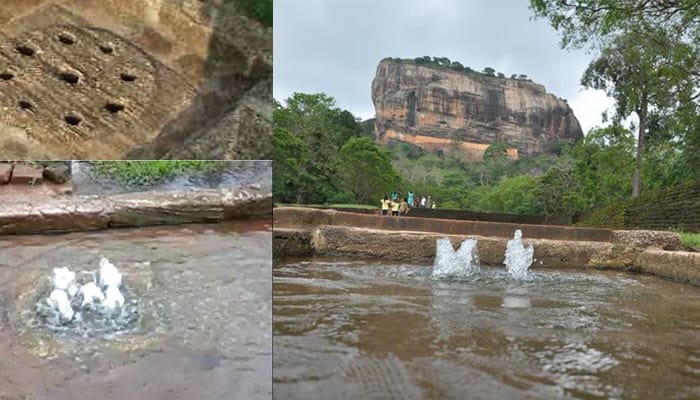
After heavy rainfall, visitors at Sigiriya have been spotting a rare and beautiful sight in the lower garden area: the famous Sigiriya “water flowers” are activating again.


These “water flowers” are what many people call the ancient fountains in the Sigiriya Water Gardens. When conditions are right—especially after heavy rain—small jets of water can rise from stone fountain plates, creating a flower-like spray effect. It’s not a modern pump system or a new installation. It’s a sign that Sigiriya’s ancient hydraulic design is still capable of working today.
This article explains what Sigiriya’s water flowers are, why they activate after heavy rain, where to see them, and the best tips to catch them during your visit.
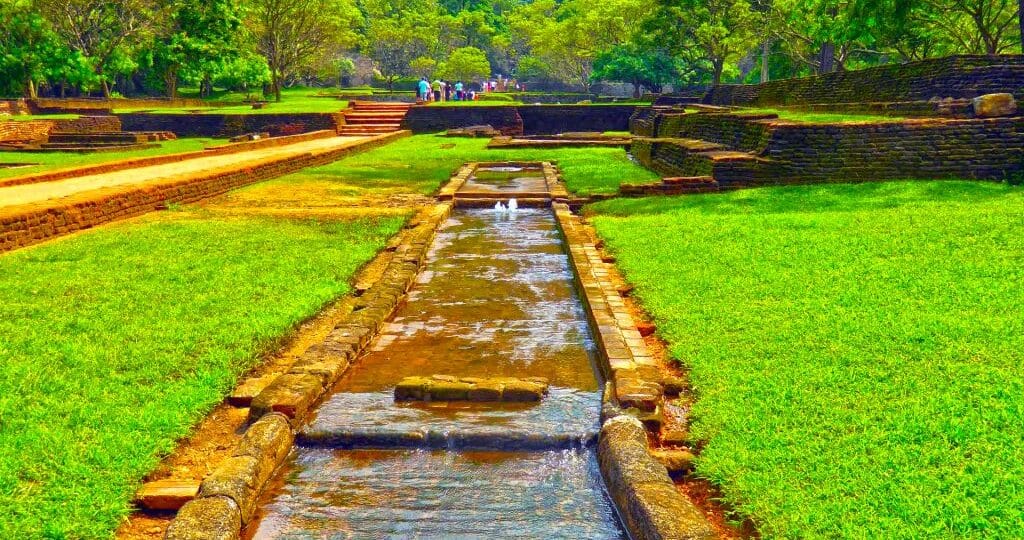
What Are the “Water Flowers” at Sigiriya?
The “water flowers” nickname comes from the way the fountains look when they start working: water sprays up from stone outlets like little blossoms opening.
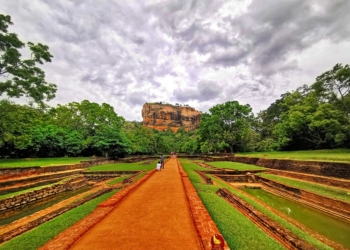
These fountain features are part of the Water Gardens, one of the most impressive areas at the base of the Sigiriya complex. Along with pools, channels, and landscaped paths, the fountains show how advanced Sigiriya’s planning and engineering were for its time.
Even today, when rainfall is heavy enough, the system can activate naturally.
Why Do Sigiriya’s Fountains Activate After Heavy Rain?
The reason is simple: more rain equals more water, which equals more pressure.
Sigiriya’s garden water system is connected through pools and underground conduits. After heavy rainfall, water levels rise, and natural pressure increases. When the level and pressure reach the right point, water can push through the fountain outlets and create the spray effect.
So if you’re hearing people say “Sigiriya water flowers are active today,” it usually means there has been heavy rain recently, and the garden water system is temporarily at peak conditions.
Where to See the Sigiriya Water Flowers
To see the water flowers, you need to focus on the Water Gardens area in the lower section of Sigiriya, before the main climb up Lion Rock.
Many visitors rush toward the rock climb and miss the best timing. If you want to catch the fountains active, your best strategy is:
- Start your visit in the gardens first
- Walk slowly and observe the stone fountain plates
- Look for small jets rising from stone points in symmetrical garden sections
Tip: if you’re creating content for social media or your website, short video clips are perfect here because the water effect looks more dramatic in motion than in photos.
Best Time to Visit to See the Water Flowers
You can’t guarantee the fountains will be active every day, but you can massively increase your chances with timing.
Best conditions:
- During rainy season / wet weather periods
- Soon after heavy rain (same day or within 24–48 hours)
- Early morning visits (cooler weather, easier walking, fewer crowds)
If the weather has been dry for many days, it’s less likely that the fountains will activate.
Why This Moment Is Special
Lots of historic sites have gardens. Very few have a feature that still “turns on” naturally, the way Sigiriya does.
When the water flowers activate, you’re not just looking at a ruin—you’re watching an ancient system perform its original function in real conditions. That’s why this moment gets people excited: it feels like Sigiriya is alive.
It also reminds visitors that Sigiriya is not only about the climb and the view. The gardens are a major part of the site experience and deserve time and attention.
Visitor Tips: Enjoy It, But Keep It Respectful
Sigiriya is a protected archaeological site, so please explore responsibly:
- Stay on walkways and avoid stepping on ancient stone structures
- Don’t touch or block the fountain outlets
- Don’t climb on garden features for photos
- Keep the area clean—no litter
Small actions make a big difference in preserving the site.
Quick FAQ: Sigiriya Water Flowers
Do Sigiriya water flowers work every day?
No. They usually activate only when rainfall has raised water levels and pressure enough.
Does electricity power the fountains?
No. When they activate, it’s typically due to gravity and natural water pressure.
Where exactly are they?
In the Water Gardens area at the base of the Sigiriya complex, before the main ascent.
What’s the best way to see them?
Visit soon after heavy rain and start with the gardens first.
Final Note
If you’re planning to visit Sigiriya in wet weather, don’t just think “bad condition.” Rain can actually unlock one of Sigiriya’s most fascinating features: the ancient fountains coming alive again.
For more Sigiriya updates, travel tips, and visitor guides, keep following slsigiriya.com.